/rootcamp_logo_white_2022.png?width=2123&height=630&name=rootcamp_logo_white_2022.png)

/RC%20logo%202022.png?width=2325&height=703&name=RC%20logo%202022.png)
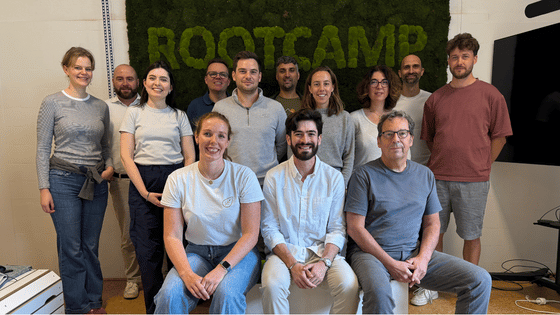
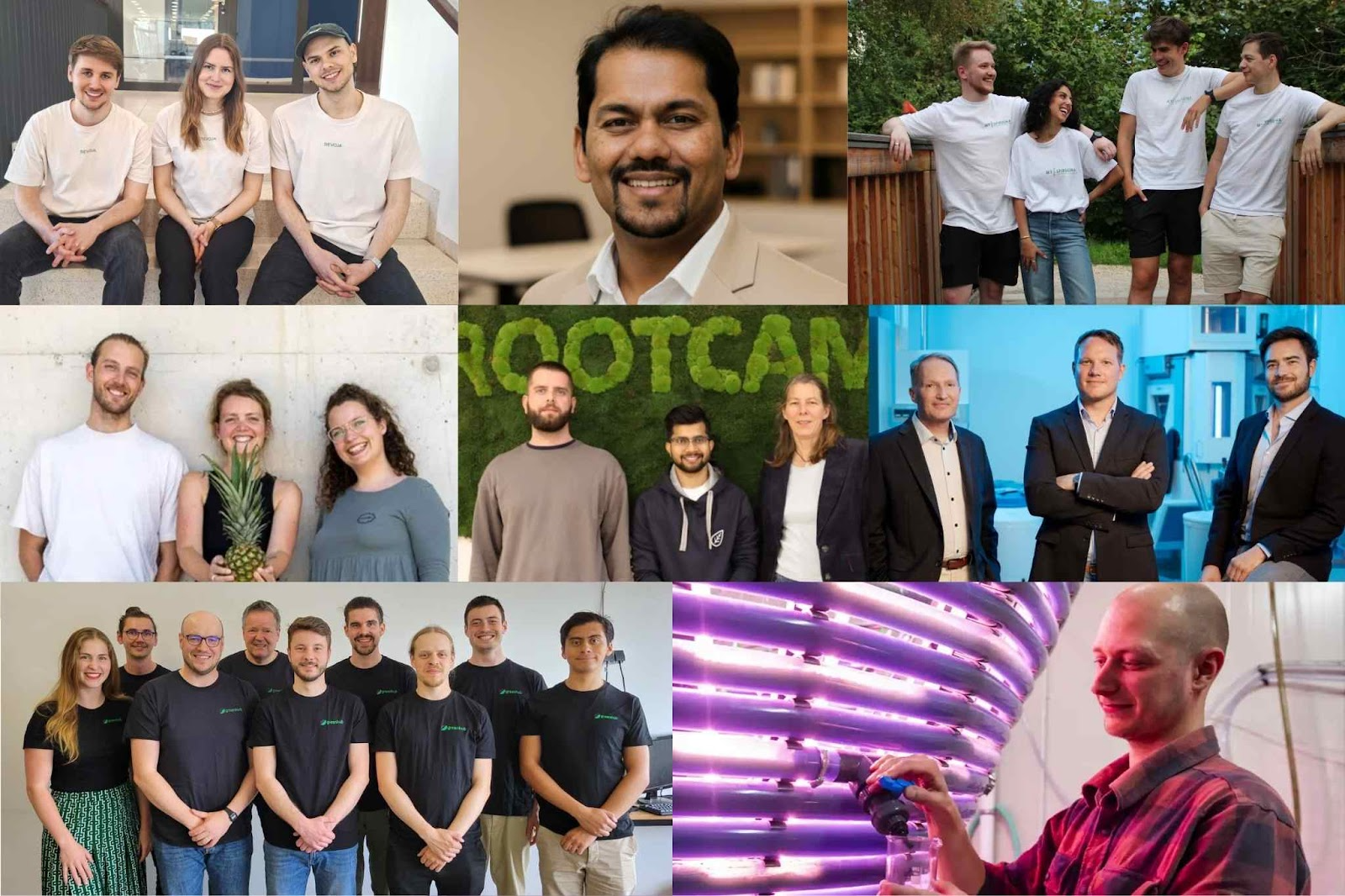
2026 is once again showing how quickly the conditions for agriculture and food production can change. Severe heat and drought are putting crops across Europe under pressure, with the EU maize harvest potentially falling to itslowest level since the 1990s. At the same time, rising fertiliser costs and supply risks have prompted the EU to introduce a newFertiliser Action Plan, while protein diversification is gaining importance for Europe’sfood security and resilience.
5 min read
9 AgTech and FoodTech Startups to watch in 2026
Topics: Startup Bios agriculture agtech bioeconomy sustainability
2 min read
Unlocking working capital innovation: Venture Clienting between Grainpulse and Agrista
Through its venture clienting service RootCamp, RootCamps identifies tailored startup solutions to address corporate challenges, creating numerous success stories by connecting innovative startups with established companies.
Topics: Startup Bios venture clienting
2 min read
Faster insights for better seeds: a partnership between NoMaze and KWS
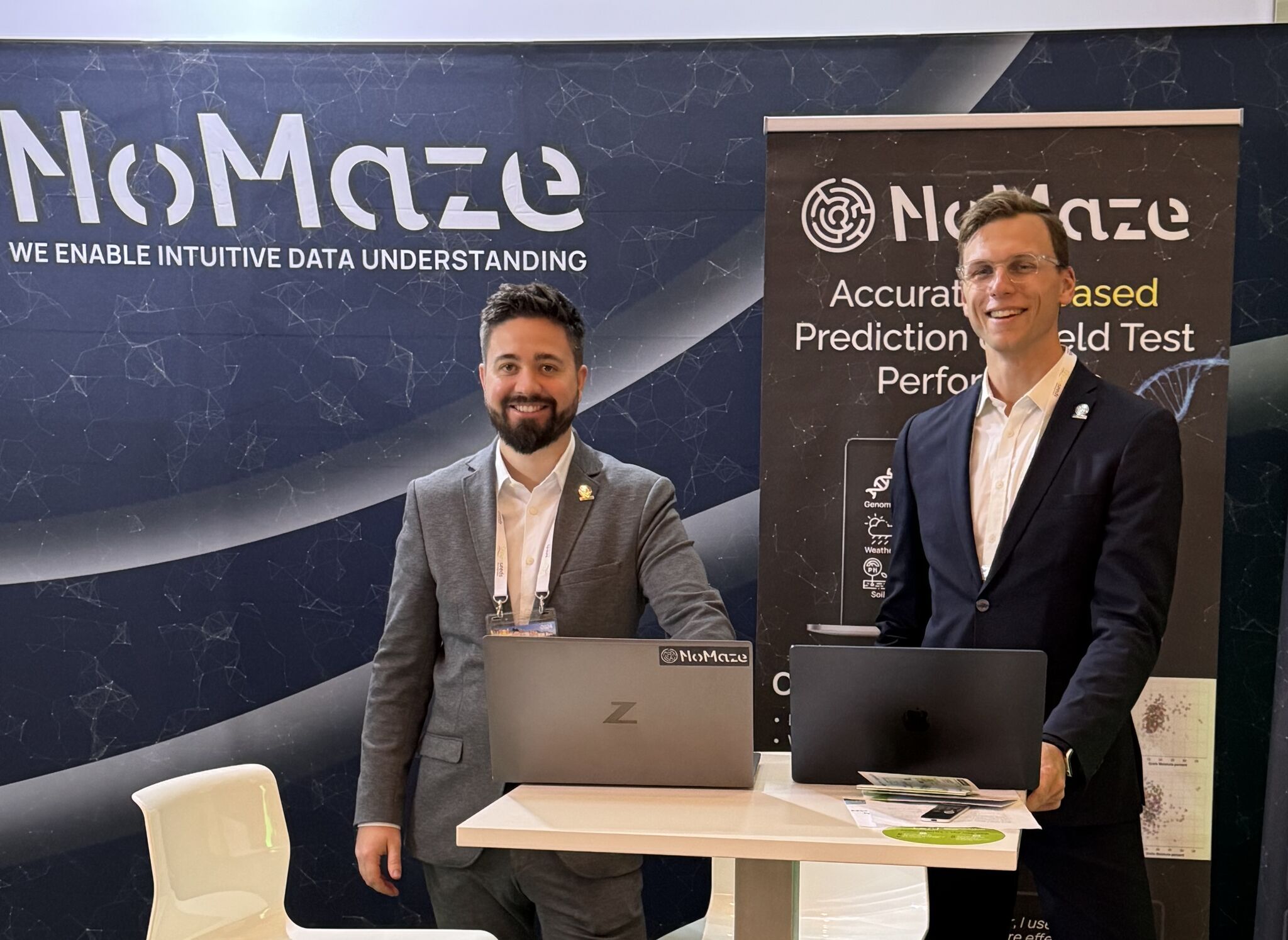
Plant breeding is no longer just about fields and tractors - it is increasingly about data. Breeders collect vast amounts of information: How does a plant grow under heat stress? Which soil conditions are best? How does it respond to pests? So the real issue is that there is now so much data that it has become increasingly difficult to quickly draw the conclusions and meet the right decision.
Topics: Startup Bios venture clienting
2 min read
ZETRACK The First Electric BaaS Tractor Built for Autonomy
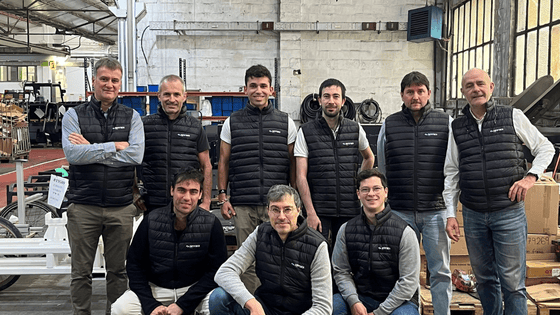
As part of the Desafía Agtech Germany program, we are supporting ZETRACK in establishing its presence in the German market. In the following interview, ZETRACK explains what sets the ZETRABOT apart from other machinery solutions, why now is the moment for electric and autonomous tractors and what types of partnerships the company aims to build in Germany through the Desafía Agtech Germany program.
Topics: Startup Bios agriculture agtech
4 min read
8 innovative AgTech startups you should know
RootCamp, in collaboration with DLG and Rentenbank, is once again spotlighting the future of food, farming and agriculture with the RapidFire Startup Competition, a fast-paced event at the Inhouse Farming – Feed & Food Convention 2025 in Hamburg.
Topics: Startup Bios startups RootCamp sustainability
4 min read
RootCamp enters the next round: Batch #7 Solutions for sustainable water, agriculture, and circular economy
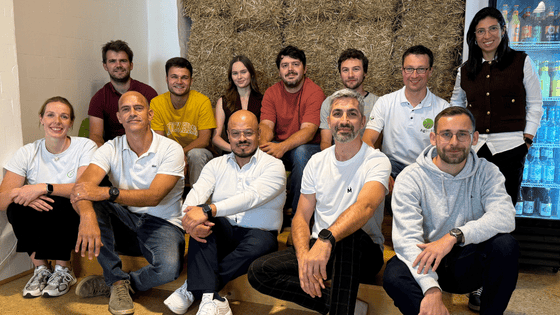
With Batch #7, the RootCamp innovation hub from Hannover is starting a new round, welcoming six promising startups into its accelerator program. Over the coming months, the selected teams from Germany, Serbia, Latvia, Belgium, and France will receive targeted support to further develop their technologies, gain access to expertise and investors, and seize the opportunity for pilot projects with industry partners.
Topics: Startup Bios agriculture RootCamp 2025 bioeconomy
2 min read
WaterTech Challenge: Funded Watertech Startups in 2025
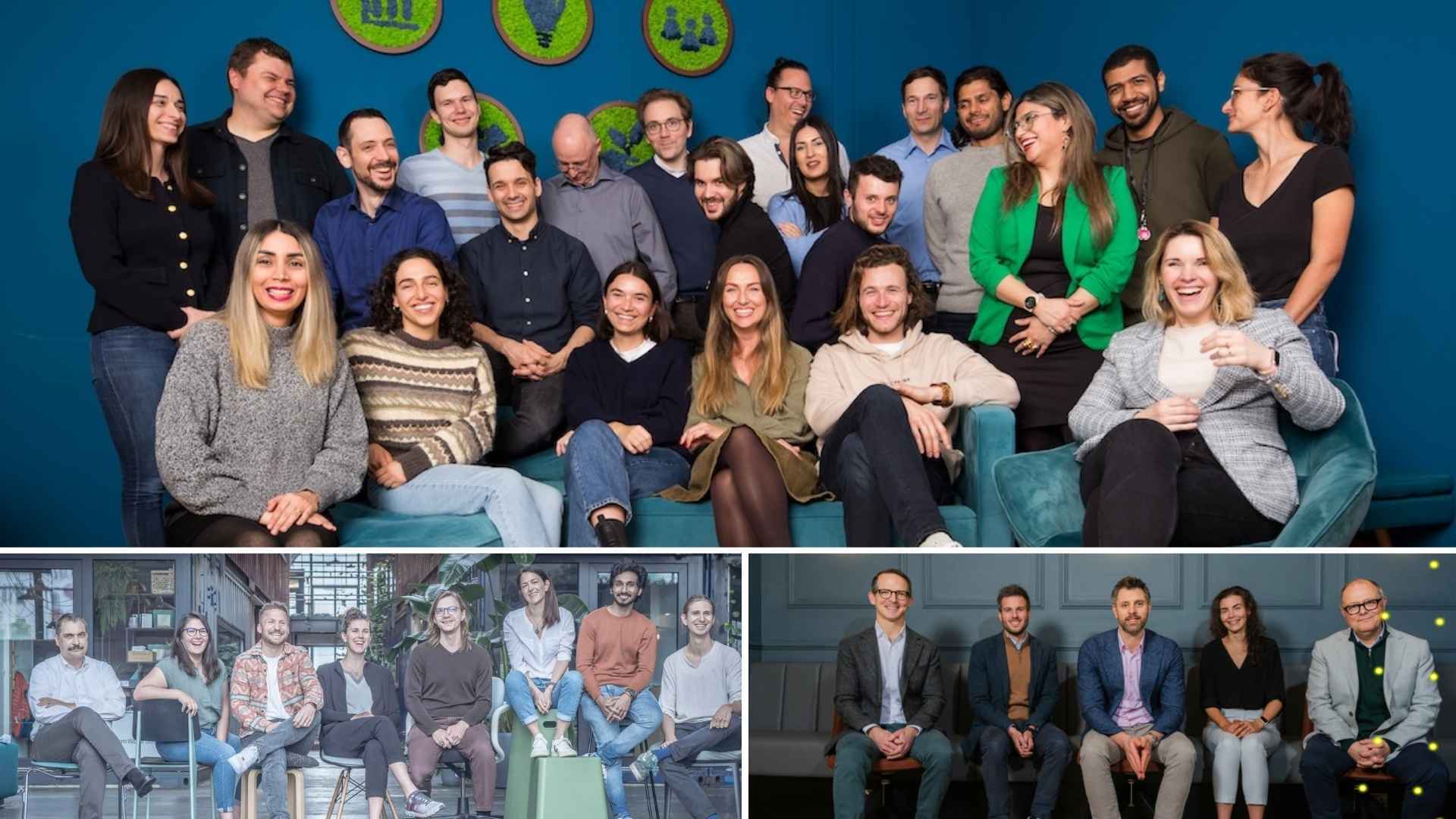
Water scarcity, aging infrastructure, and tightening environmental regulations are pushing water technologies into the spotlight for investors around the globe. After years of moderate attention, the WaterTech sector saw a record-breaking year in 2024 and the trend is continuing in 2025. Innovations now range from smart leak detection and AI-driven optimization to lithium recovery and the removal of persistent pollutants from wastewater.
Topics: Startup Bios Venture Capital
4 min read
7 Water Tech Startups you should know in 2025
.png)
Water is essential to all life, and its efficient management has become a key challenge for sustainability in today's world. According to the United Nations (UN Water, 2021), by 2025, nearly two-thirds of the global population could face water shortages. Many industries, particularly in agriculture, energy, manufacturing, and food processing, are some of the largest consumers of freshwater. Inefficiencies in water management, such as outdated infrastructure and wasteful usage, exacerbate water scarcity, making it increasingly difficult to meet growing demand.
Topics: Startup Bios agriculture innovation
3 min read
VCG.AI: AI Platform for Faster Circular Product and Business Development
VCG.AI offers the Value Chain Generator, a platform that helps companies transform organic byproducts and waste into valuable resources. Leveraging artificial intelligence and extensive databases, the platform identifies suitable waste materials and evaluates hundreds of conversion technologies and business models. The goal is to create profitable and sustainable circular solutions for industries such as agriculture, food, and forestry while reducing their carbon footprint. Jon Goriup, co-founder & CEO VCG.AI, answered our questions and described the main idea of the startup.
Can you explain, in simple terms, what your platform offers and how it works?
VCG.AI is an AI platform for companies to develop and launch circular products and business models faster and more efficiently. Our proprietary AI achieves this by analysing millions of global data points in real-time— technological and scientific advancements, market trends, feedstock availability, and active companies in the field. This enables the development of technically viable and profitable circular products and business models based on the latest global intelligence.
By connecting feedstocks, suppliers, technologies, and market applications, VCG.AI makes it easier to develop new circular products, find high-value uses for industrial by-products, and uncover actionable circular market opportunities. This reduces time and costs while increasing the success rate of circular innovations. Essentially, we provide centralised data intelligence to turn circular economy ideas into viable business solutions.
What specific challenges did the companies you worked with face before using vcg.ai?
Developing and launching bio-based circular products using traditional methods often fails due to several key challenges.
Rapid technological advancements, shifting markets, and evolving regulations make it difficult for companies to stay ahead. R&D demands significant time and financial investment, yet many organisations lack critical data on feedstock availability, novel technologies, and market demand for new materials.
As a result, many circular products and businesses struggle to succeed, and numerous innovations never reach the market. VCG.AI removes the guesswork, providing companies with data-backed strategies to develop circular products and business models that are market-ready and commercially viable.
Could you share a specific example from your case studies that demonstrates how your platform works and delivers measurable impact?
One of our clients, a large biorefining company, wanted to find higher-value applications for their by-products. They used VCG.AI to gain insight into the currently most relevant value-adding technologies for their feedstock, market trends, and the highest-paying processors for their materials.
With global circular intelligence at their fingertips, they received a directly applicable strategy— identifying which feedstocks to sell, to whom, and which technologies to invest in to maximise their future returns. By leveraging VCG.AI, they will implement viable circular initiatives with maximum time and cost efficiency, achieving results in months rather than years.
You currently focus on Europe with plans to expand into the USA and Latin America. Why exactly these countries?
Our solution is already used by industry leaders, R&D institutions, investors, and public authorities in 15 European countries. In the coming years, we plan to expand to the U.S. and Latin America, where demand for accelerating the circular bio-based industry is growing fast, and feedstock availability is there to support the industrial-scale deployment of circular business models. We also have strategic market partners in these regions, which will help us enter these new markets more smoothly.
With plans to begin fundraising in Q3 2025, what are the next milestones you hope to achieve with the funding?
Our next funding round, planned for Q3 2025, will focus on strengthening our technological advantage, developing solutions for a broader scope of industries, and supporting our expansion beyond Europe in the coming years.
What opportunities do you see in the German market and being a part of the RootCamp acceleration program?
Germany is one of our core strategic markets, with well-developed, relatively mature, and well-connected industries. The transition to a circular economy in such markets can drive economic growth, create new green jobs, and unlock new opportunities. RootCamp Accelerator and its excellent mentors are opening new doors for us, helping to enhance our recognition and market access in our key markets.
Join Join our program and get equity-free support with a grant to help bring your idea to life
- application deadline is on 19th of March. Apply here.
Topics: Startup Bios Interview
4 min read
Open Climate Solutions Explores Seaweed to Cut Greenhouse Gas Emissions
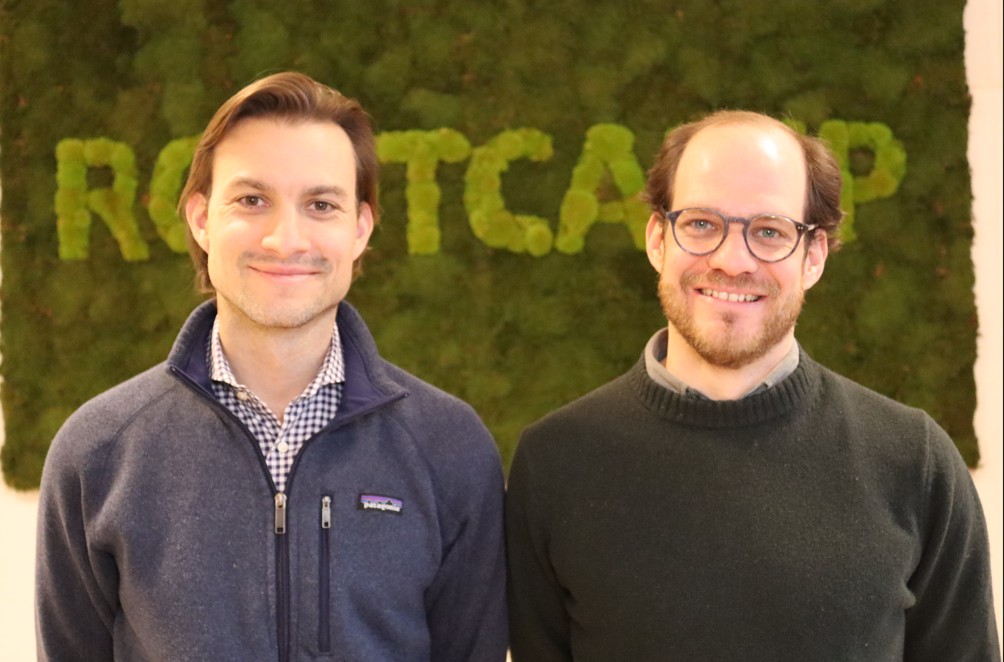
Open Climate Solutions develops and implements nature-based climate protection measures that reduce greenhouse gas emissions. They focus on projects that combine regenerative aquaculture with agriculture to restore coastal ecosystems, improve soil quality, and create sustainable jobs. The startup adopts open-source principles, making knowledge and technologies freely accessible to accelerate the spread of effective climate protection solutions. Discover how this brave team uses seaweed to cut emissions and promote biodiversity.
Can you explain why you chose seaweed? What is the power of Seaweed in Agriculture?
We chose seaweed because it is a highly sustainable and regenerative resource that offers significant benefits for agriculture. Our biostimulant is derived from novel seaweed species that are regeneratively cultivated, rather than wild-harvested. This ensures a sustainable and renewable source of biomass, avoiding the exploitation of natural marine ecosystems.
By cultivating seaweed instead of harvesting it from the wild, we can tightly control and monitor the quality of our feedstock. This enhances product quality by optimizing cultivation conditions to boost bioactive compounds. It also improves consistency and predictability in crop performance, tackling a common challenge with biological inputs.
Seaweed is a natural biostimulant, rich in polysaccharides, phytohormones, trace minerals, and antioxidants, which improve plant resilience, increase nutrient use efficiency, and enhance soil health. Unlike conventional fertilizers, our seaweed-based biostimulant helps crops withstand stress conditions such as drought and poor soil quality while reducing reliance on synthetic inputs.This makes our solution scalable, regenerative, and farmer-friendly, providing a reliable alternative for improving agricultural productivity in a sustainable way.
How do your seaweed farming and biostimulant production support regenerative carbon removal and ecosystem restoration while remaining economically viable for farmers?
Our mission is to develop a regenerative agricultural solution that not only supports farmers but also removes carbon and restores ecosystems. As we scale, the environmental benefits grow—improving soil health, strengthening crop resilience, enhancing marine biodiversity, and increasing carbon sequestration.
Seaweed plays a key role as a natural carbon sink, absorbing significant amounts of CO₂ as it grows. After extracting bioactive compounds for our biostimulant, we convert the remaining algae residue into biochar, a stable form of carbon. Since this biochar comes from regeneratively cultivated seaweed, it represents a truly additional carbon removal solution.
Our approach to regenerative aquaculture prioritizes farmed seaweed over wild harvesting, helping to preserve marine ecosystems while improving water quality and reducing eutrophication. At the same time, regenerative agriculture benefits from stronger, more resilient crops, reduced reliance on chemical inputs, and lower agricultural emissions.
By integrating carbon removal, soil health, and economic sustainability for farmers, we are building a scalable, circular system where regenerative seaweed cultivation directly drives agricultural and environmental impact. Linking regenerative aquaculture with regenerative agriculture strengthens food system resilience while actively removing CO₂.
What challenges have you faced, and how are you addressing concerns or skepticism from potential customers?
Like any agricultural innovation, introducing cultivated seaweed biostimulants comes with challenges. One of the biggest hurdles is farmer skepticism, as many are reluctant to partially replace conventional fertilizers with biostimulants. To overcome this, we prioritize scientific validation and field trials that demonstrate clear improvements in yield and crop resilience.
Another challenge is the need for proper application knowledge. Farmers must understand how and when to use biostimulants to achieve the best results. To support them, we are developing application intelligence tools that ensure ease of use, minimize risks, and maximize impact.
Regulatory approval is another obstacle, as agricultural inputs must meet different standards across various markets. We are addressing this by collaborating with research institutions and regulatory experts to streamline compliance and accelerate market entry. By working directly with farmers, conducting on-field demonstrations, and providing transparent data, we are building trust and ensuring that our solution is both practical and beneficial.
With successful field trials on winter wheat in Germany and potted plant trials, what have you learned from these experiments?
Our trials have provided valuable insights into the performance of our seaweed-based biostimulant under different conditions. In controlled potted plant trials, we observed significant positive effects, such as higher chlorophyll content and improved stress tolerance. However, we recognize that results from controlled environments do not always directly translate to field conditions due to variations in soil, weather, and farming practices.
Field trials on winter wheat in Germany have reinforced the importance of real-world testing, helping us understand how biostimulants interact with complex environmental factors. Some benefits observed in potted trials are less pronounced in open-field conditions, highlighting the need for more extensive field testing to optimize consistent performance.
To address this, we are expanding our field trials to gather more real-life data while continuing potted plant trials in parallel. Controlled trials remain essential for testing specific hypotheses, while field trials provide the necessary validation for farmers looking to integrate our product into their operations. By running both simultaneously, we aim to refine our formulation, optimize application methods, and ensure reliable benefits across different crops and growing conditions.
Why do you choose open source?
We fundamentally believe that collaboration drives innovation, and open-source principles allow us to maximize impact. By sharing knowledge and best practices, we accelerate the transition to regenerative agriculture and help build a more resilient food system. Open science fosters trust and enables researchers, farmers, and other stakeholders to improve upon our work, ultimately leading to better agricultural solutions that benefit both people and the planet. Climate change cannot be solved if we work in silos. We can only improve our agri-food system quickly enough by working together.
Meet Open Climate Solutions team and other startups from Batch#6 in person on February 25th for the RootCamp Demo Day in Hannover: Register here.