/rootcamp_logo_white_2022.png?width=2123&height=630&name=rootcamp_logo_white_2022.png)

/RC%20logo%202022.png?width=2325&height=703&name=RC%20logo%202022.png)
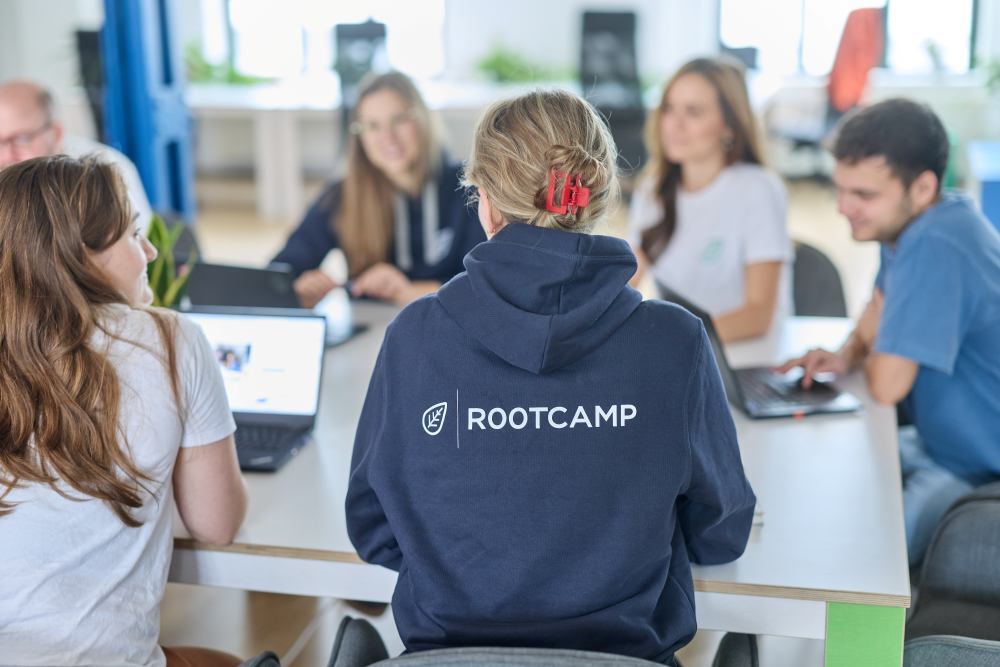
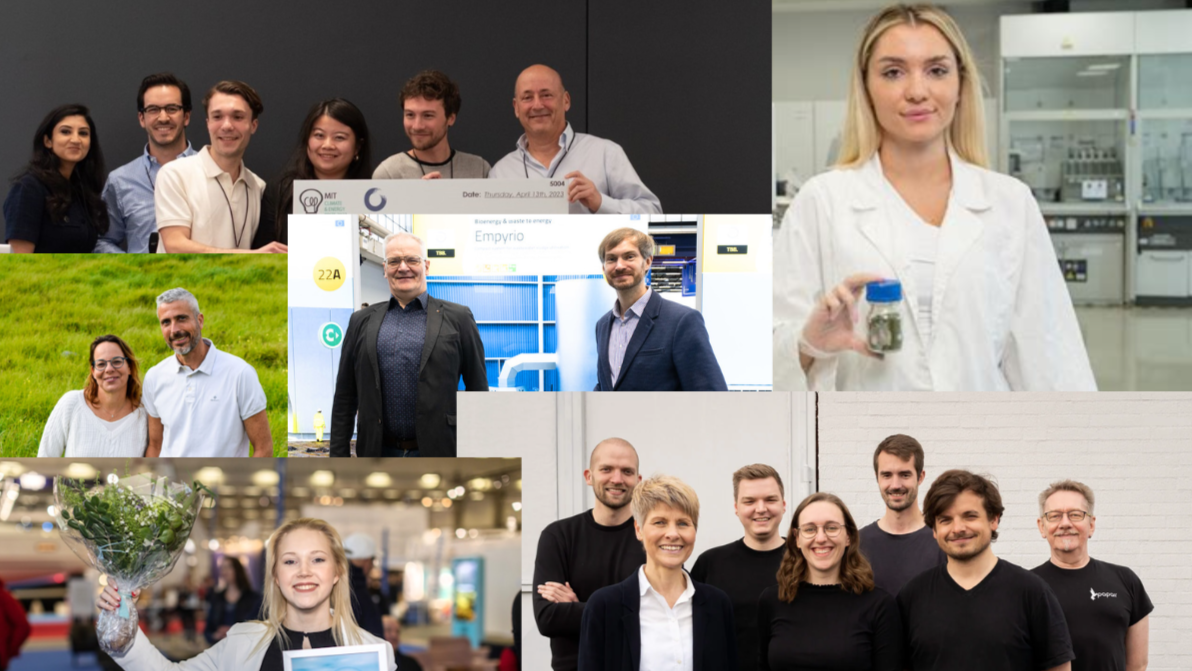
RootCamp has selected its first official batch for the CIIL – the Cross Industry Innovation Lab, a new program designed to support early stage startups from Lower Saxony which focus on developing sustainable industrial end products. The startups may participate for up to one year each. The program has capacity for up to six startups per year, with RootCamp planning to open the call for more startups before the end of this year and admit them on a rolling basis.

Emilia Kinzler
Recent posts by Emilia Kinzler
4 min read
Part II: 20 AgTech Startups from Agritechnica 2025 you should know
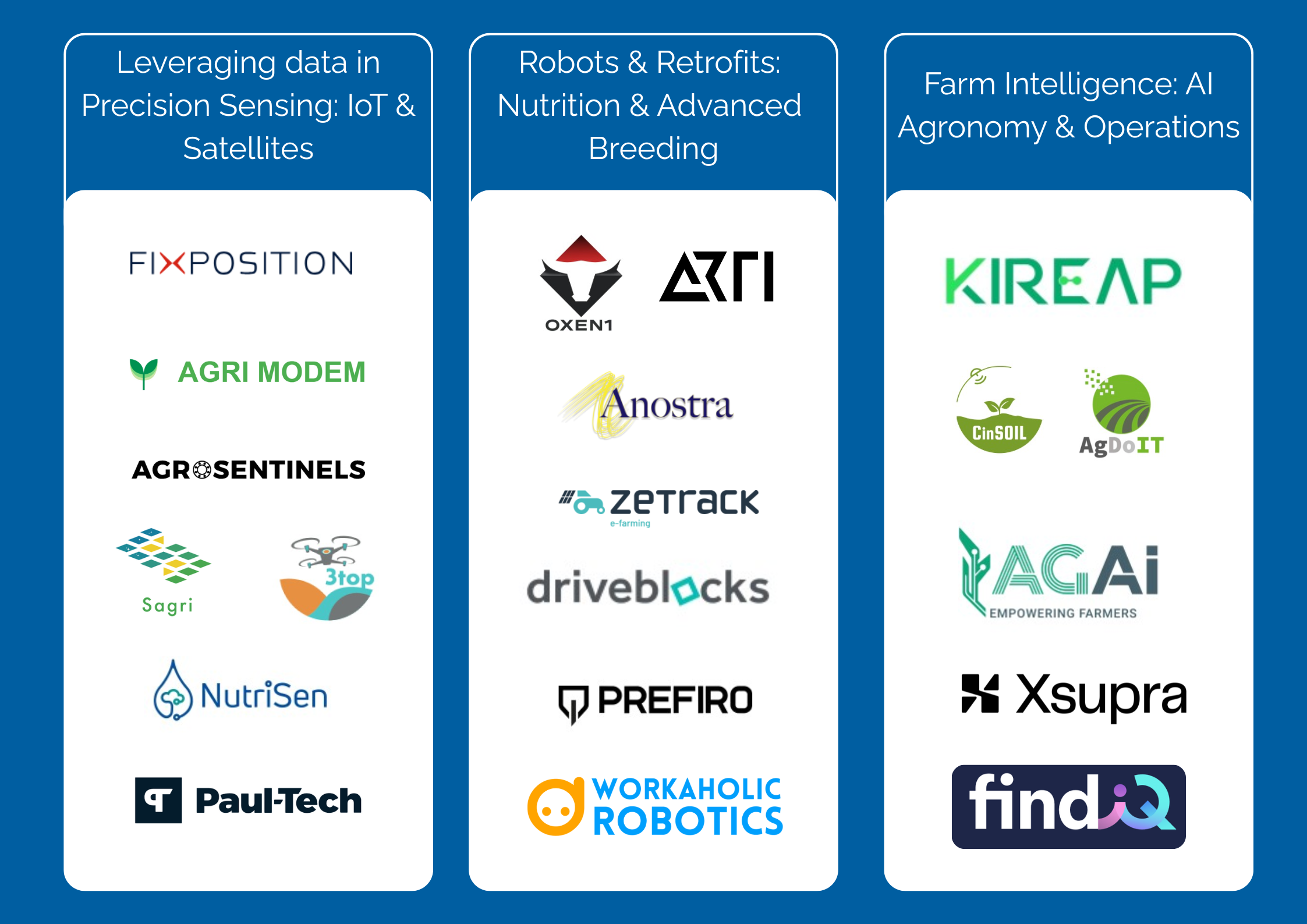
RootCamp is proud to be partnering once again with Agritechnica, a world-leading trade fair focusing on technological advancements in agriculture. This event, held from the 9th to the 15th of November 2025 in Hannover, is a key gathering for the industry, setting the stage for innovations that drive the future of sustainable agriculture and technological solutions.
Topics: agriculture startups agfoodtech 2025
4 min read
Part I: 21 AgTech Startups from Agritechnica 2025 you should know
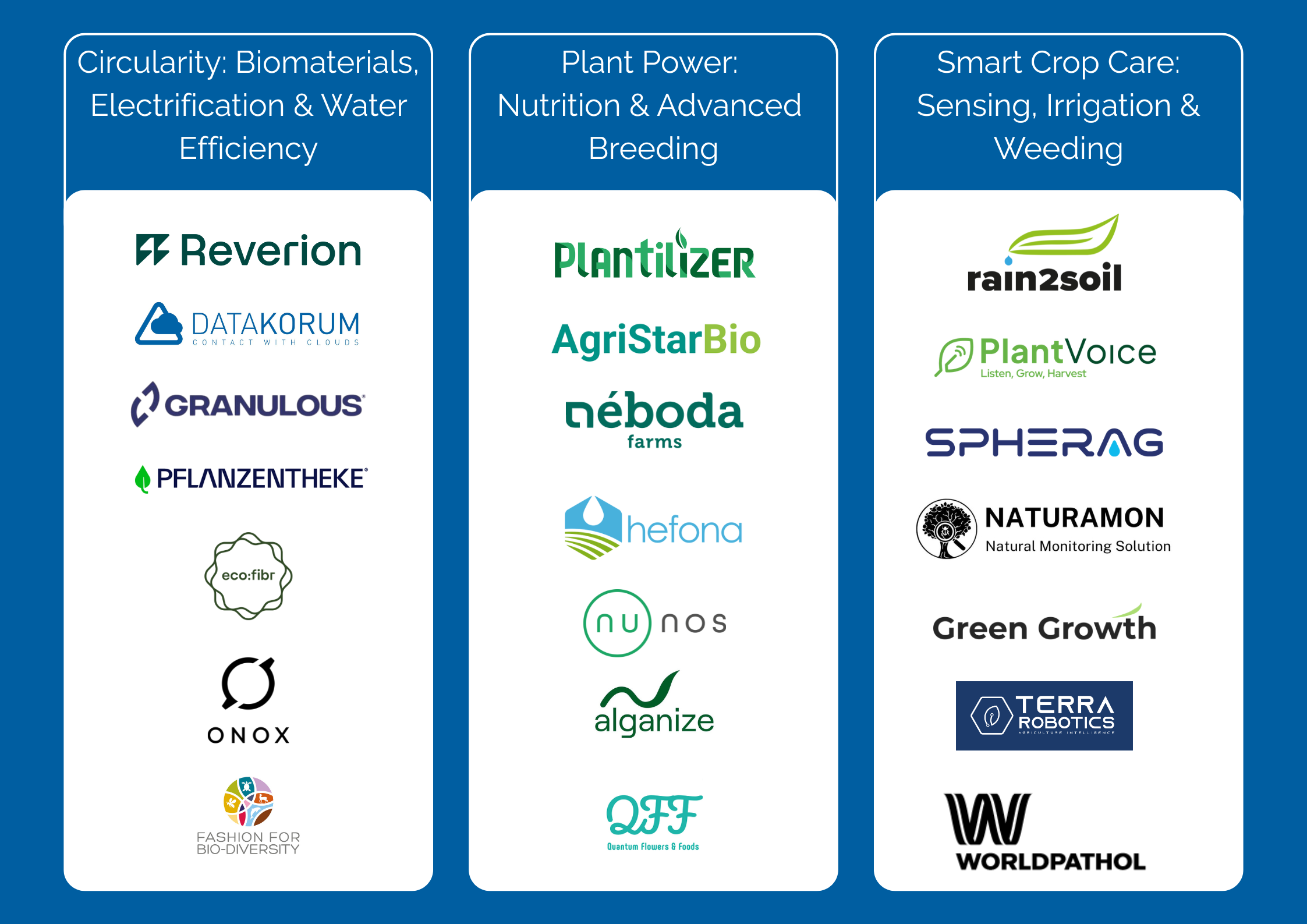
RootCamp is proud to be partnering once again with Agritechnica, a world-leading trade fair focusing on technological advancements in agriculture. This event, held from the 9th to the 15th of November 2025 in Hannover, is a key gathering for the industry, setting the stage for innovations that drive the future of sustainable agriculture and technological solutions.
Topics: agriculture startups agfoodtech farming 2025
5 min read
From Residuals to Renewable Energy: The Promise and Challenges of Bio-LNG
.jpg)
What is Bio-LNG?
Bio-LNG, also known as liquefied biogas or liquefied biomethane, Is a renewable fuel that currently serves as one of the most economical and cleanest options in the transport sector. Produced from organic residuals, its specific niche is decarbonising sectors where electrification is difficult: for example, long-distance or heavy goods transport and shipping, among other energy intensive industries.
Topics: 2025
3 min read
Nexus Bioeconomy 2025 in Focus: A Day of Insights, Dialogue, and Networking at RootCamp
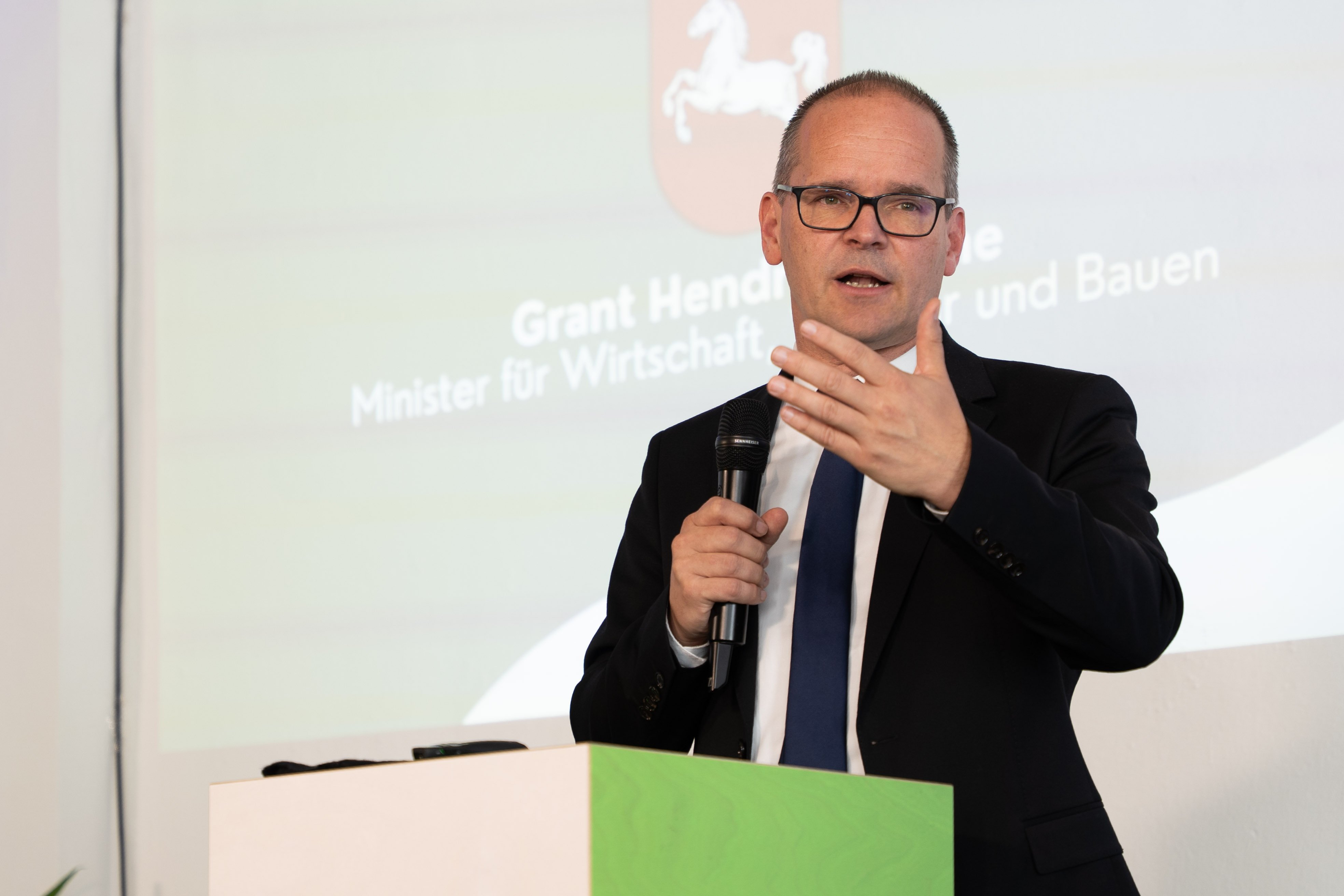
On the 26th of August, we had the pleasure of hosting a full-day conference in Hannover, bringing together thought leaders, industry experts, startups, policymakers, and academics to discuss the role of the bioeconomy in driving sustainable transformation. The day offered a mix of inspiring keynotes, dynamic discussions, and interactive sessions, and gave an insight into the beliefs of various key players and stakeholders within the bioeconomy.
Topics: bioeconomy
5 min read
Is Bioenergy Contributing to World Hunger? The Food vs. Fuel Debate Explained
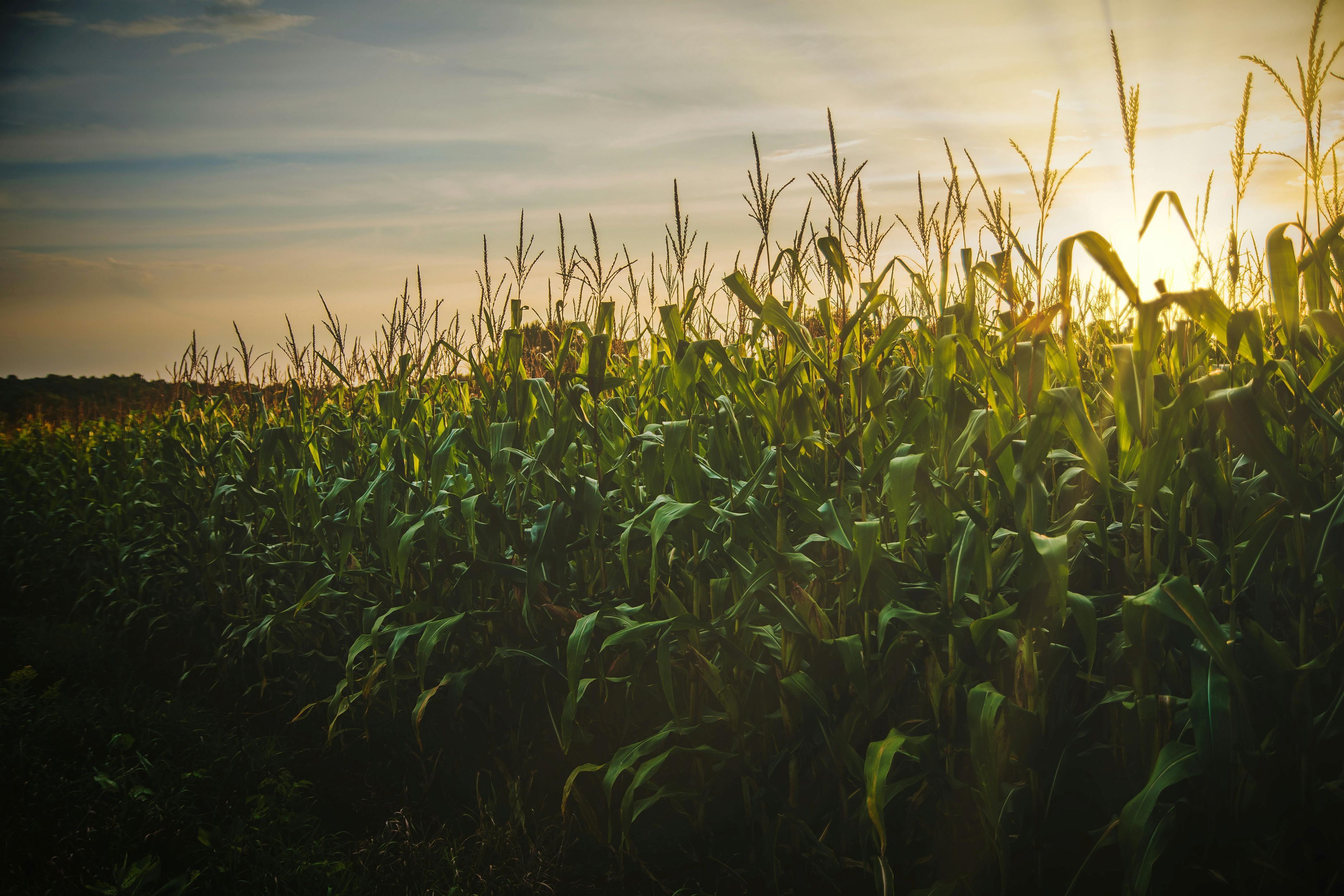
In 2021, bioenergy accounted for 59% of the total renewable energy consumption in the EU, and therefore around 13% of total energy consumption - a significant chunk in both cases. Specifically in the transport sector, biofuel consumption increased by 39% between 2013 and 2021. So, considering the widespread and increasing use, why hasn’t energy derived from biomass replaced energy from fossil fuels yet? Among other growing pains, there is an ongoing question about land use, often called the ‘food vs fuel debate’. Should we be dedicating arable land to growth of energy crops, when this limits the land available for food crops?
Topics: biodiversity 2025 bioeconomy
6 min read
Lignin: Key to the Bioeconomy and Challenges to Scaling
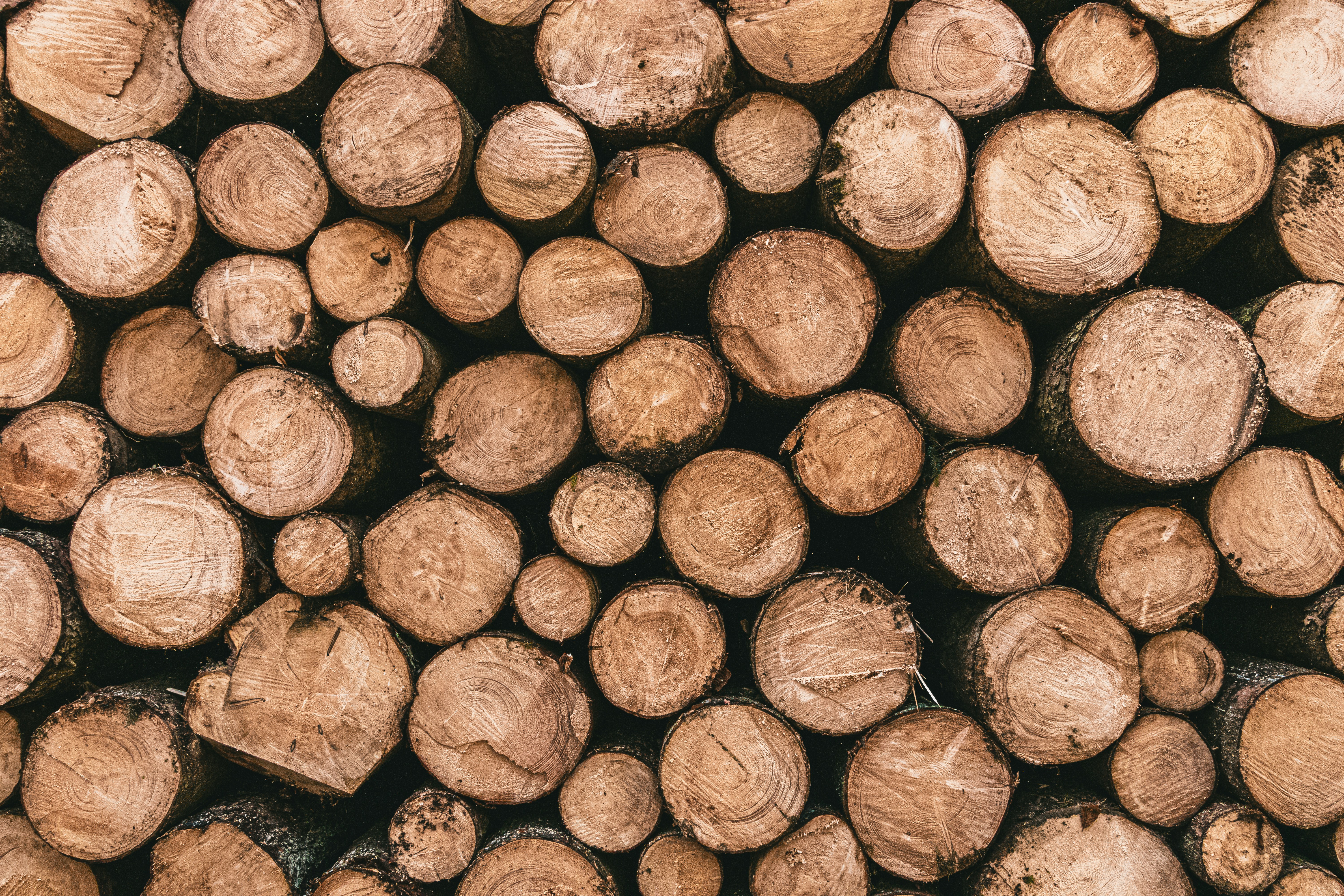
Lignin - a term you might have heard in high school biology, and infrequently since. It’s the binding agent in wood, as well as the world’s second most abundant biopolymer after cellulose and holds immense potential as a renewable resource for a huge range of applications.
What is lignin, and why should we care?
There is a misconception that it is primarily burned as waste in the paper and pulp industry, which isn’t true, but it has much more potential than what it currently lives up to. In the emerging bioeconomy, lignin could play a crucial role in replacing fossil resources and enabling more sustainable production. But how exactly can it be used, where do current developments stand, and what obstacles hinder its large-scale adoption?